IEP vs 504: Understanding
the Difference
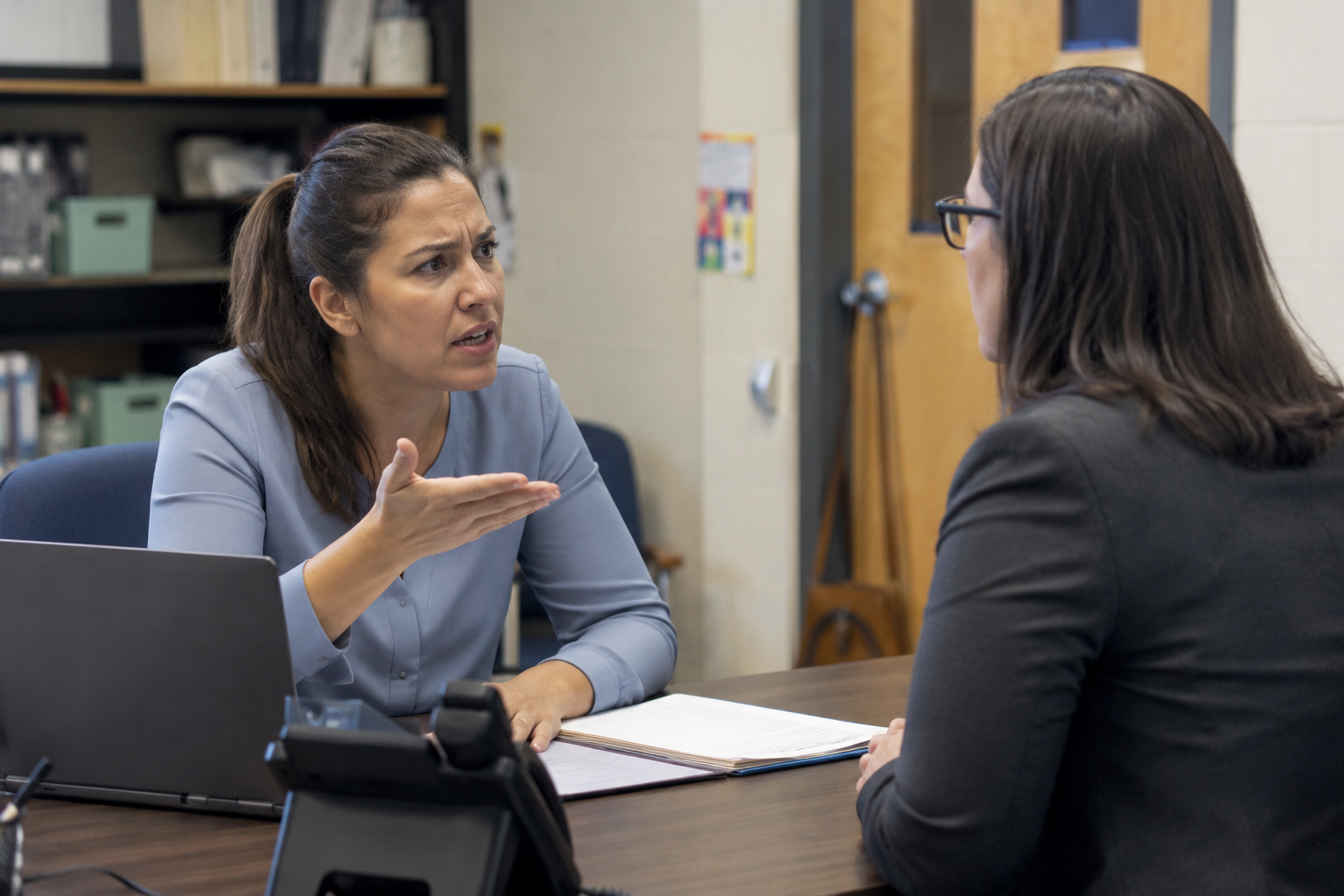
IEP VS 504 PLANS
School advocacy is one of the places families often work the hardest.
When a child is struggling in school, parents are often left trying to understand evaluations, services, accommodations, behavior plans, and legal language while also managing everything at home.
This page is designed to help families move from confusion to clarity by understanding the difference between an IEP and a 504 plan, and what type of support may help their child make meaningful progress.
What's the Difference?
IEP (Individualized Education Program – IDEA Law)
An IEP is for students who need specialized instruction and accommodations.
An IEP can include:
- Individual goals and progress monitoring
- Special education services and service minutes
- Therapies (occupational therapy, speech, counseling)
- Modified curriculum or grading
- A Behavior Intervention Plan (BIP)
Ask this question:
Does my child need to be taught differently to make progress?
504 Plan (Section 504 – Civil Rights Law)
A 504 plan is for students who need access accommodations only.
A 504 plan can include:
- Classroom and testing supports
- Environmental adjustments
- Supports that remove barriers to learning
Ask this question:
Can my child access the general curriculum with supports in place?
Learning & Academic Accommodations
Common disabilities: Dyslexia, ADHD, Autism Spectrum Disorder (ASD), Learning Disabilities
Common supports (IEP or 504):
Extended time on tests
Reduced homework load
Read‑aloud tests or audiobooks
Chunked instructions
Graphic organizers
Copies of notes
Visual schedules
Usually IEP‑only:
Modified assignments or grading
Attention & Executive Function
Common disabilities: ADHD, ASD, Anxiety
Common supports (IEP or 504):
Preferential seating
Movement breaks
Visual timers
Assignment checklists
Planner checks
Frequent adult check‑ins
Usually IEP‑only:
Staff breaking tasks into steps
Organizational coaching with goals
Behavior & Regulation
Common disabilities: ASD, Emotional or Behavioral Disabilities, Trauma‑related needs
Common supports (IEP or 504):
Calm‑down space
Sensory tools (fidgets, bands)
Adult check‑ins
De‑escalation plan
Identified safe person
IEP‑only supports:
Positive reinforcement systems tied to goals
Behavior Intervention Plan (BIP)
Communication & Social Support
Common disabilities: ASD, Speech or Language Disorders
Common supports (IEP or 504):
Extra processing time
Small‑group instruction
Explicit expectations
Visual supports and social scripts
Usually IEP‑only:
Social skills instruction
Adult‑mediated peer support
Alternative or augmentative communication (AAC)
Environment & Sensory Supports
Common disabilities: ASD, Sensory Processing Differences
Common supports (IEP or 504):
Noise‑canceling headphones
Lighting adjustments
Flexible seating
Reduced visual clutter
Modified transitions
Usually IEP‑only:
Sensory supports directed by occupational therapy
Why This Matters
When parents understand the difference between access, instruction, services, and supports, they are better prepared to ask stronger questions, request appropriate evaluations, and advocate for a plan that addresses their child’s needs.
Disclaimer:
This information is educational in nature and is not legal advice. Families should speak with a qualified professional or attorney when they need legal guidance for their specific situation.
What Parents Should Remember
504 Plans provide access
IEPs provide instruction, services, and goals
If your child needs therapy, curriculum changes, measurable goals, or a Behavior Intervention Plan (BIP), an IEP is usually appropriate.
If your child mainly needs supports to access the classroom, a 504 plan may be appropriate.
Not Sure What to Request?
If accommodations alone are not helping your child make progress, parents have the right to request a full special education evaluation.
Early, written requests help protect timelines and clarify next steps.


© Copyright 2026. Healing Complex Kids. All Rights Reserved.